Smarden, Kent
Smarden in Kent Village Guide
About Smarden, Kent
Smarden is a historic village and civil parish located west of Ashford in Kent, South East England. Known for its Anglican parish church of St Michael the Archangel, the building is often called “The Barn of Kent” due to its distinctive high scissor beam roof. The village covers an area of 21.8 square kilometres and had a population of 1,301 according to the 2011 census.
The village’s origins date back to at least 1205, with evidence of early iron smelting and prehistoric flint tools found in the area. Smarden prospered in the medieval period, especially after King Edward III encouraged the local woollen industry by bringing over Flemish weavers. This led to the granting of a Royal Charter in 1333, allowing a weekly market and annual fair, elevating Smarden’s status to a town. Elizabeth I later ratified this charter in 1576.
Several fine houses from the 15th and 16th centuries remain, including the Cloth Hall, a timber hall house built in 1430 that served as a warehouse for the cloth industry. Jubilee House, dating from around 1772, is a Grade II listed building. During the Second World War, some houses were used to accommodate evacuees from London.
The village is drained by the headwaters of the River Medway and River Stour, with seasonal streams flowing through the area. Smarden offers a selection of family-friendly pubs, including The Flying Horse, The Bell, and The Chequers, alongside smaller establishments like Maltmans Hill and Haffenden Quarter. Notable past residents include author Mervyn Peake and mountaineer John Baptist Lucius Noel.
What’s new?
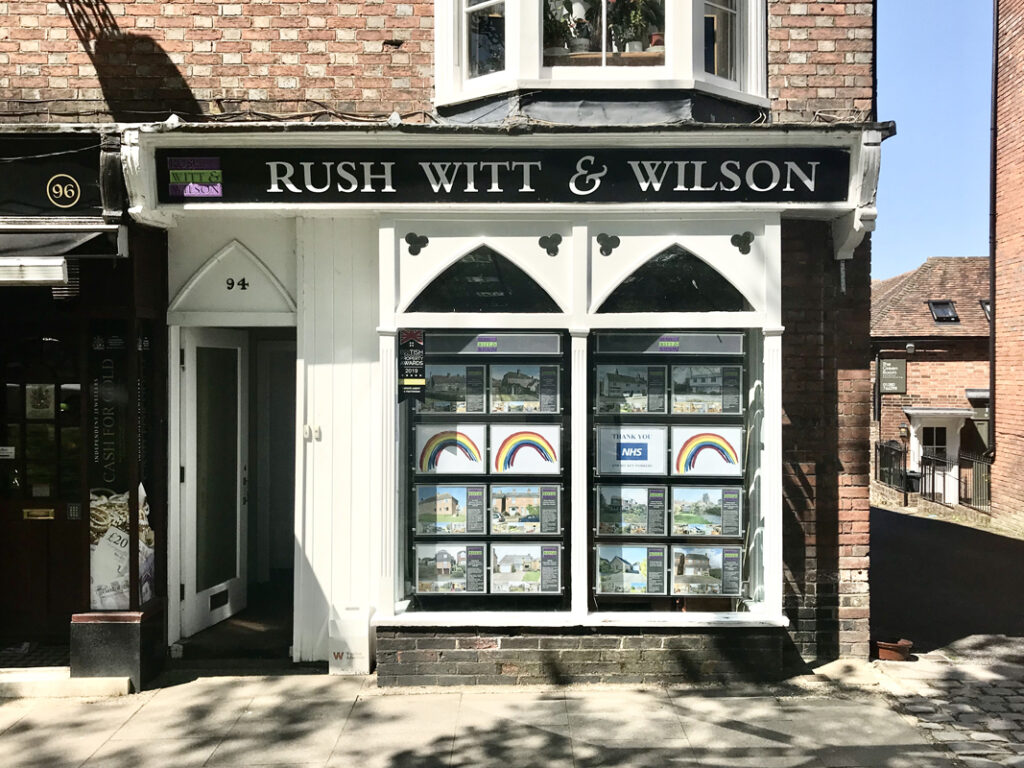
Rush, Witt & Wilson
Rush Witt & Wilson Tenterden dominates a lovely stretch of Tenterden High Street capturing the eye of many would be … more
Listed in: Estate Agents

Message Board
Smarden Boot Fayre
Hi, I have heard that there is a Smarden Boot Fayre on 3rd September and wanted to know whether anyone … more
Looking for a Bungalow, Flat, Annex to Rent
Hello, Im a professional full-time working male, looking to rent a one bedroom flat, annex or bungalow in this village … more
Attractions and Activities

Kent & East Sussex Railway
The Kent & East Sussex Railway is the country’s finest example of a rural light railway. The line owes much of its charm to its origin as the world’s first light railway. Originally opened in 1900, the tightly curved line, … more
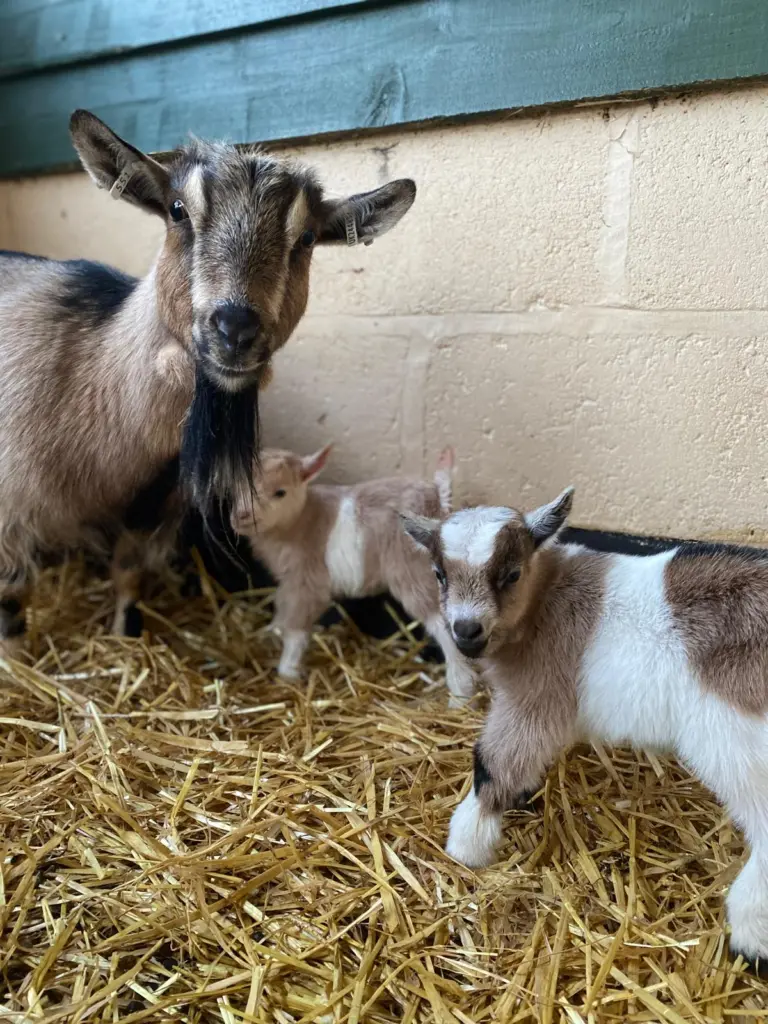
The Rare Breeds Centre
A Family Adventure at The Rare Breeds Centre Bring the whole family to The Rare Breeds Centre, a fun-filled, educational day out set in 100 acres of beautiful Kent countryside. Perfect for young children, there’s plenty to see, do, and … more

Accommodation

The Print House
The Print House is a 4* AA rated cosy and friendly 16th Century Inn with six boho chic bedrooms in the medieval town of Tenterden in the heart of English Winemaking Country. Known as the Jewel of the Weald, with … more

Stable Oak Cottages
Stable Oak Cottages offers a delightful self-catering holiday experience in the serene setting of Kent. These award-winning cottages are designed with comfort in mind, featuring vaulted ceilings, exposed beams, and large patio doors that create a light and airy atmosphere. … more
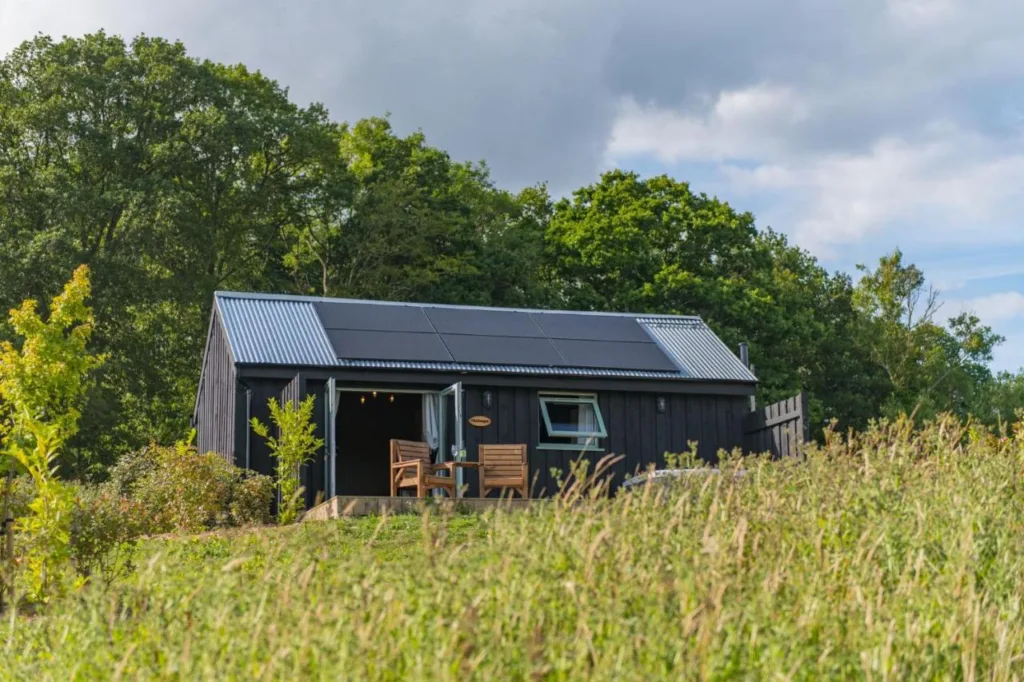
Challenger
Challenger is a countryside cabin located within the scenic grounds of McCann’s Brewery, offering a unique holiday experience. This accommodation is ideal for those looking to escape the hustle and bustle of daily life and immerse themselves in the tranquility … more
Restaurants

Chilston Park Hotel
Chilston Park Hotel is a distinguished 4 Red Star country house hotel located in Kent, celebrated for its historical significance and luxurious offerings. The hotel, which dates back to at least 1100, has been the residence of notable figures including … more
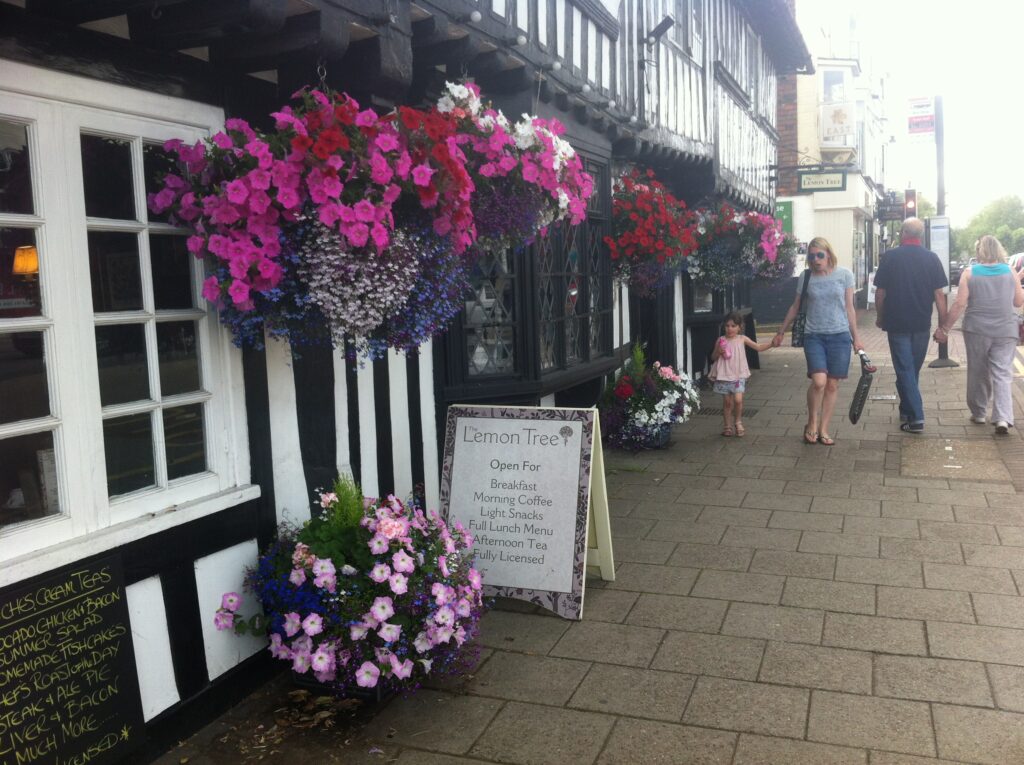
The Lemon Tree Restaurant
The Lemon Tree Restaurant offers a quintessentially English dining experience in a historic 14th-century Wealden Hall House, which boasts a visit from King Henry VIII. Located in the heart of Tenterden, this traditional restaurant is renowned for its commitment to … more
The Print House
The Print House is a 4* AA rated cosy and friendly 16th Century Inn with six boho chic bedrooms in the medieval town of Tenterden in the heart of English Winemaking Country. Known as the Jewel of the Weald, with … more